The Thrive by Five Index points us to where children need us most. Together, we can turn these insights into impact.
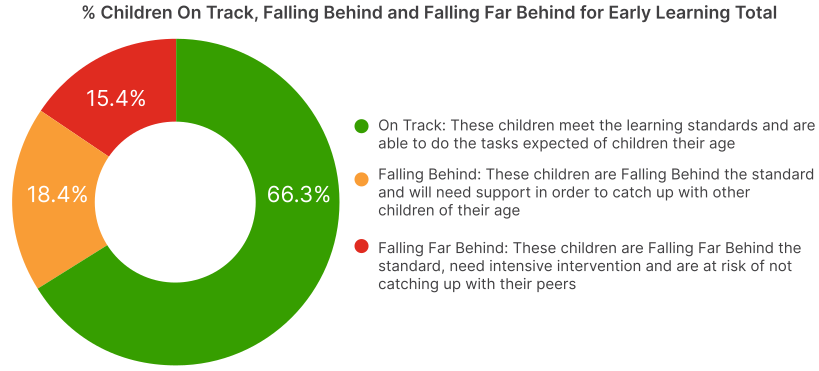
The Thrive by Five Index 2021 provides a detailed, nationally representative snapshot of how young children in South Africa are developing in three critical domains:
Explore the 2021 Thrive by Five Index data at a national level by selecting a development indicator. Filter further by sex, provinces, and income.
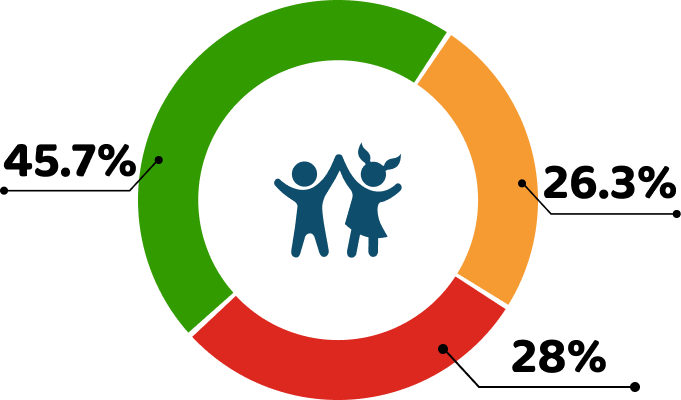
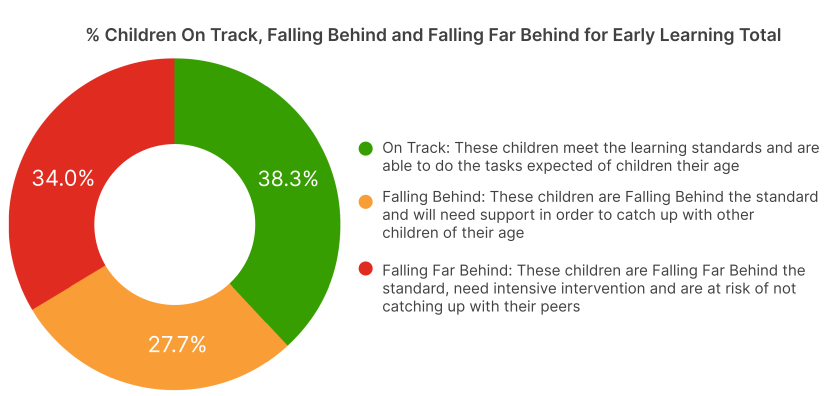
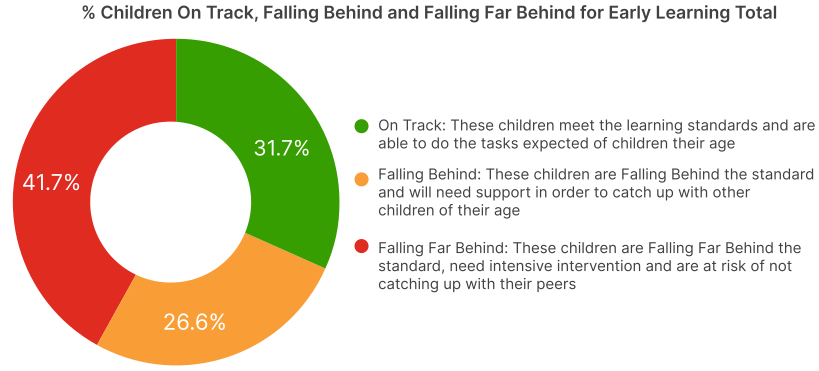
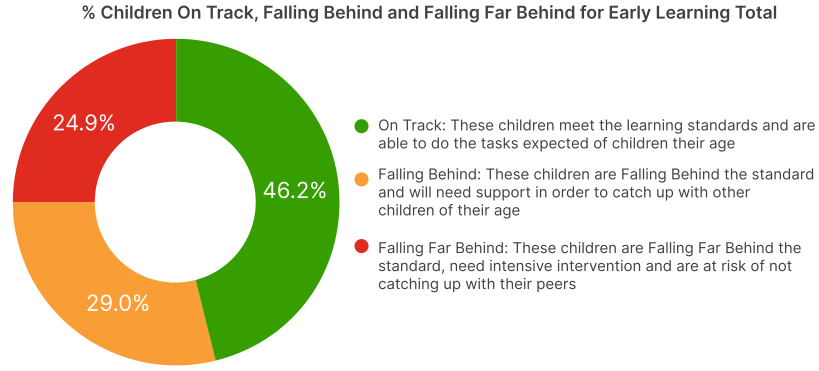
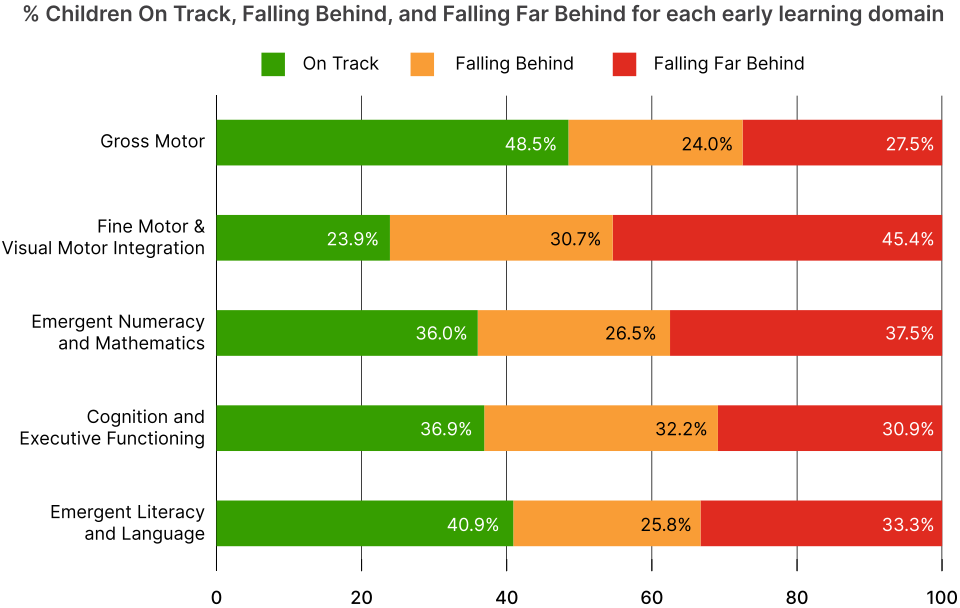
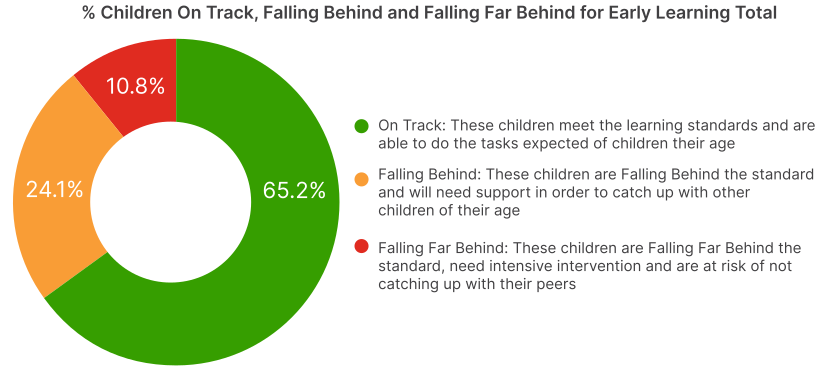
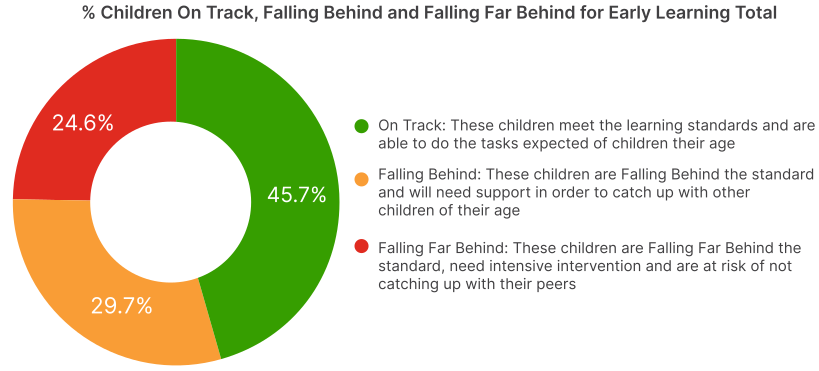
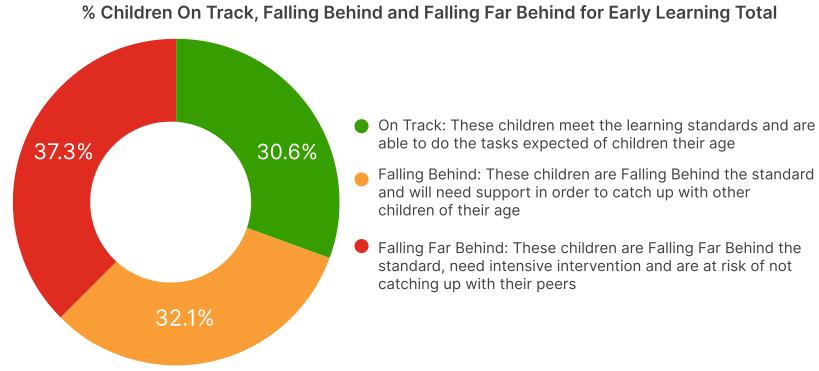
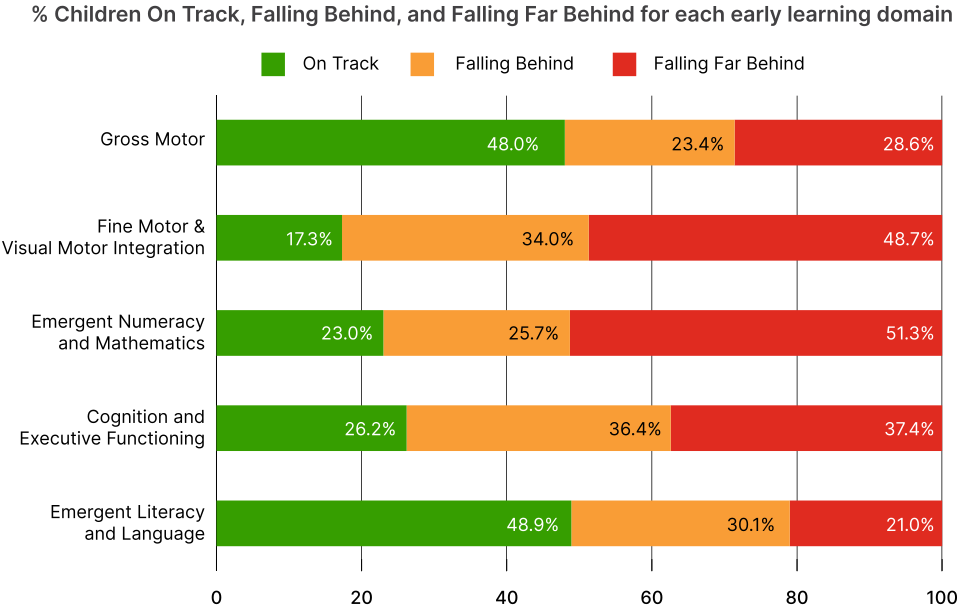
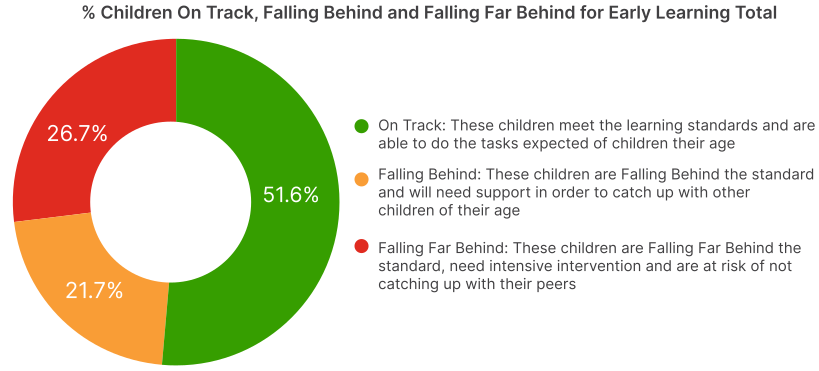
The majority of children enrolled in ELPs are not yet on track in key areas of early learning by the age of four. The 2024 results show that 42% of children assessed are On Track, 28% are Falling Behind, and 30% are Falling Far Behind.
Overall Performance:
Source: Weighted estimates based on Thrive by Five Index 2024 data.
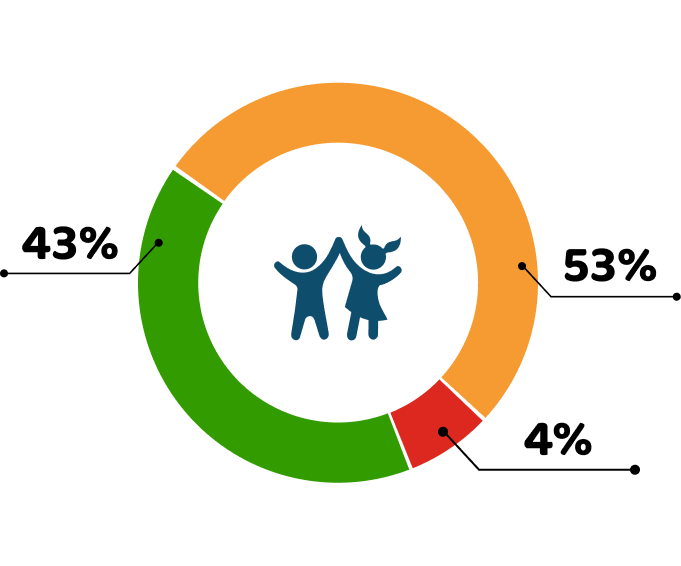
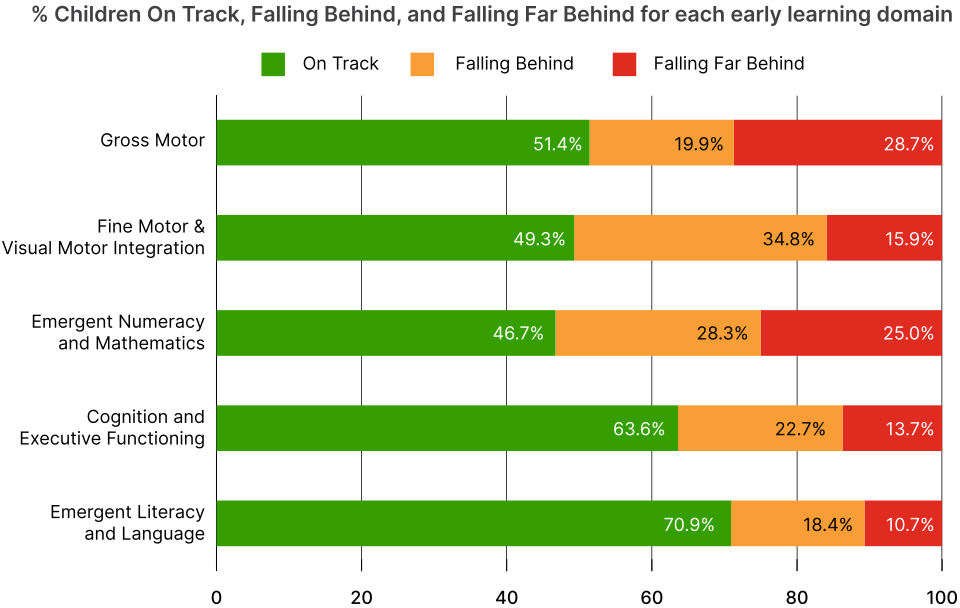
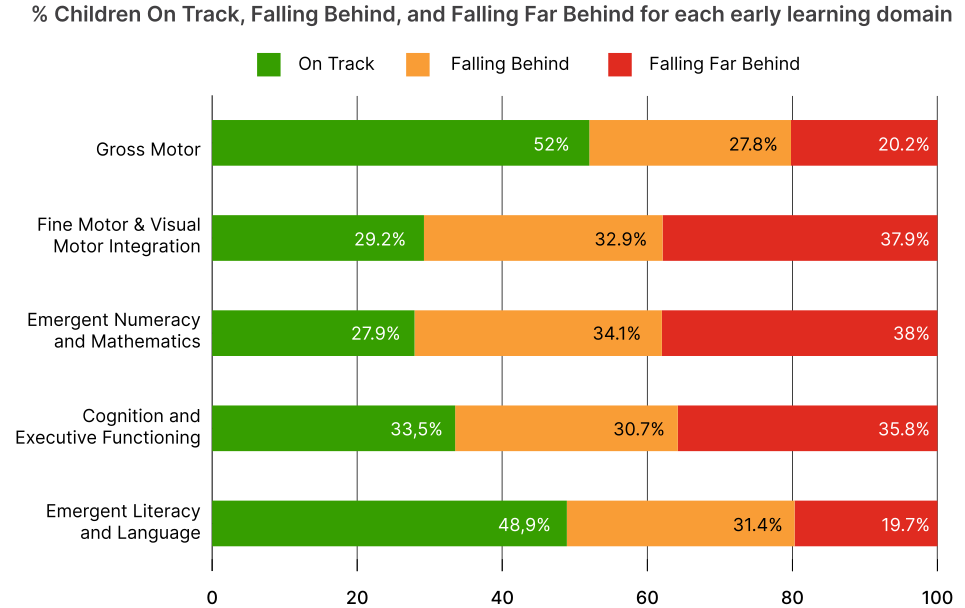
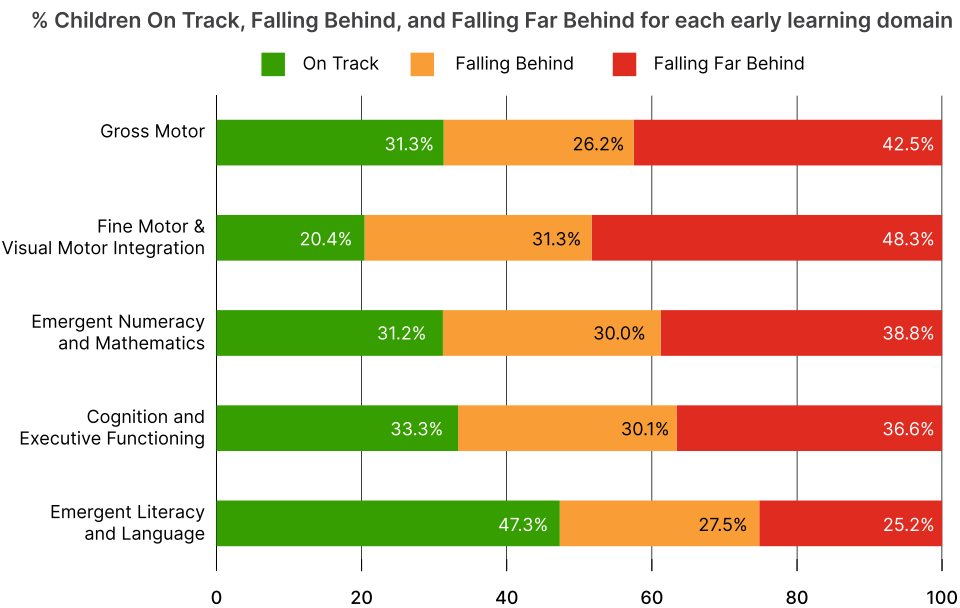
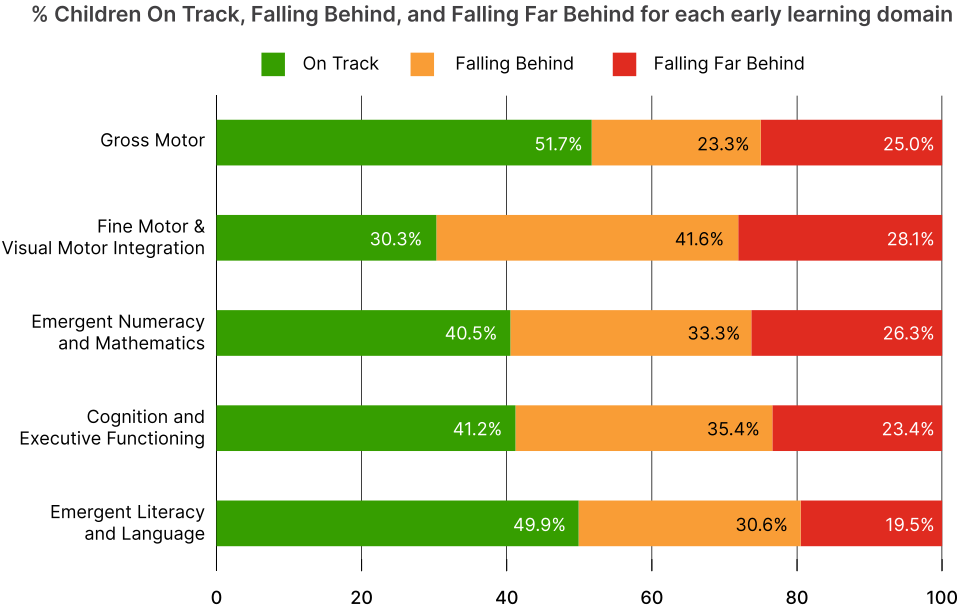
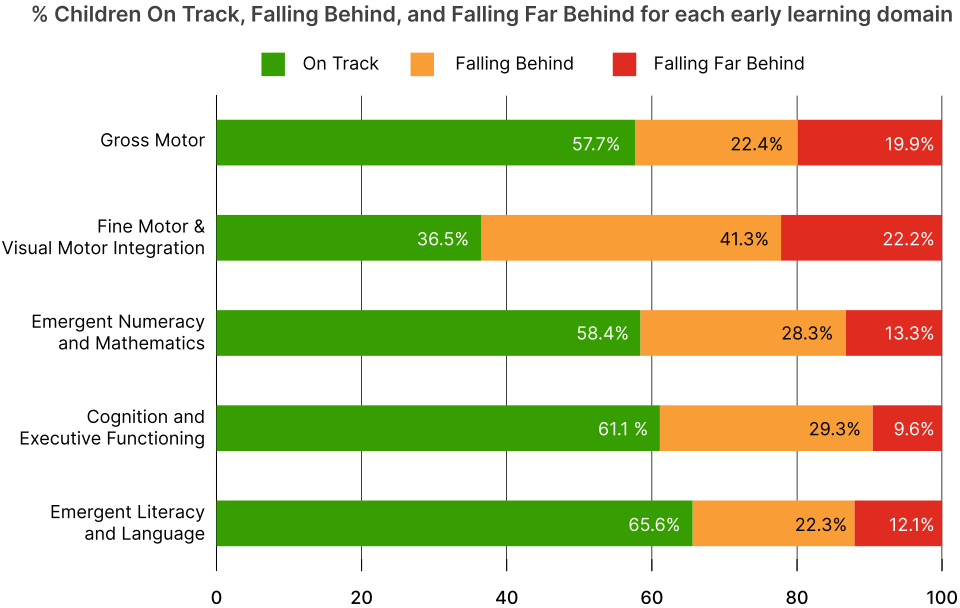
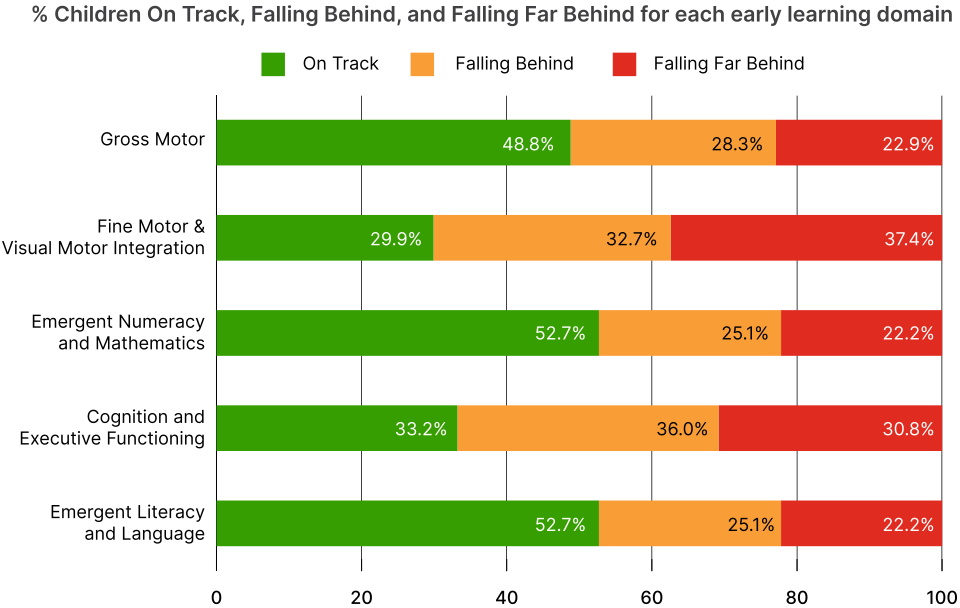
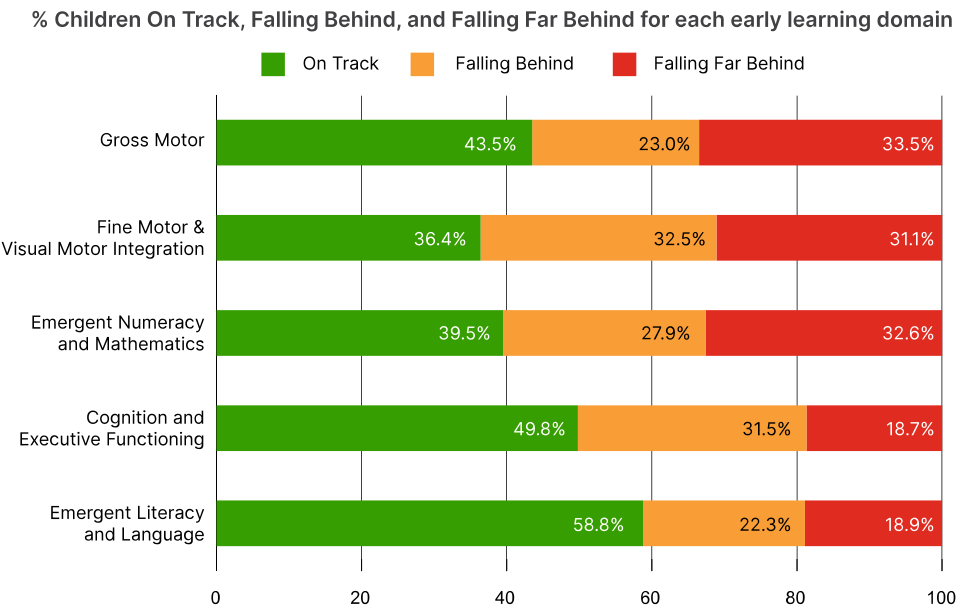
These specific domains were chosen because they cover key areas of early development and are strongly linked to longer-term learning outcomes. The results point to clear strengths and areas of concern, highlighting the need for focused interventions in domains such as fine motor skills and early numeracy.
Overall Performance:
Source: Weighted estimates based on Thrive by Five Index 2024 data.
This domain refers to large muscle movements such as running, jumping, balancing, and coordinated physical activity. These skills support children’s physical health, independence, and ability to engage in play and social interaction. Strong gross motor skills also lay the foundation for cognitive development and emotional well-being.
Overall Performance:
Source: Weighted estimates based on Thrive by Five Index 2024 data.
This domain looks at children’s ability to coordinate precise hand movements and hand–eye coordination. These skills are critical for everyday tasks such as buttoning clothes, drawing, writing, and copying shapes or letters. Strong visual–motor integration supports early literacy, numeracy, and overall school readiness.
Overall Performance:
Source: Weighted estimates based on Thrive by Five Index 2024 data.
This domain measures foundational mathematical skills including counting, number recognition, basic calculations, and identifying shapes and patterns. Early numeracy lays the groundwork for later mathematical understanding and plays a key role in cognitive development and academic success.
Overall Performance:
Source: Weighted estimates based on Thrive by Five Index 2024 data.
This domain covers key thinking skills like memory, attention, planning, problem-solving, and self-control. These abilities help children manage tasks, follow instructions, and navigate new situations. Strong executive functioning supports learning, emotional regulation, and is a known predictor of later success in reading and mathematics.
Overall Performance:
Source: Weighted estimates based on Thrive by Five Index 2024 data.
This domain assesses the child’s ability to communicate effectively. This includes their ability to speak in full sentences, recognise the initial sounds of words, name common objects, relay events and listen to and understand stories told to them. These are foundational for reading, writing, and learning, as well as for building social relationships and succeeding in school.
Overall Performance:
Source: Weighted estimates based on Thrive by Five Index 2024 data.
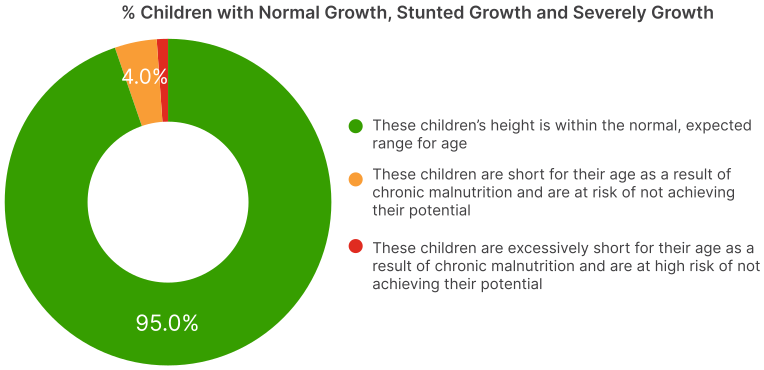
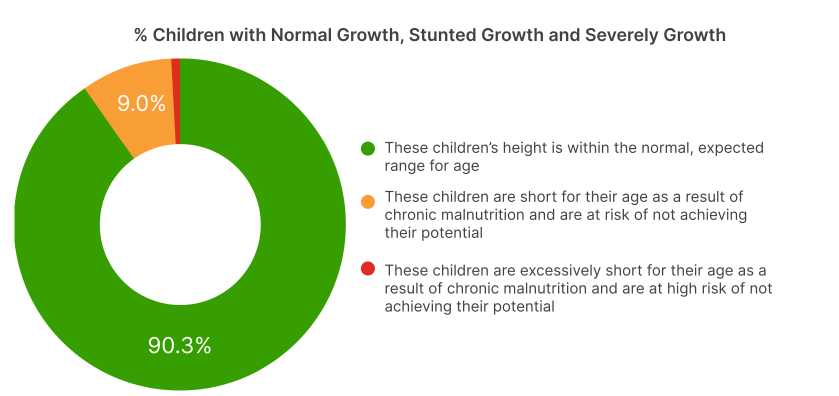
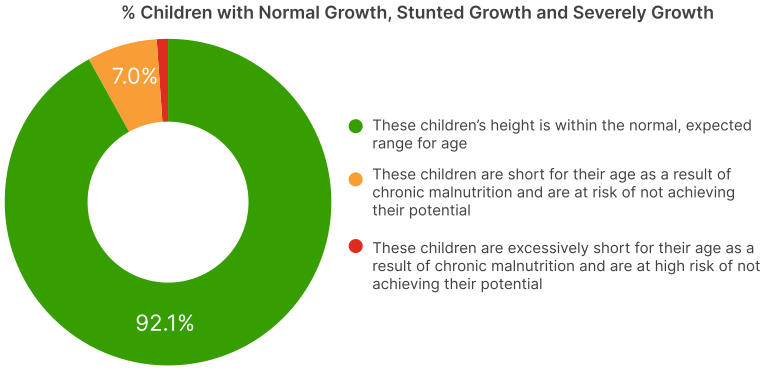
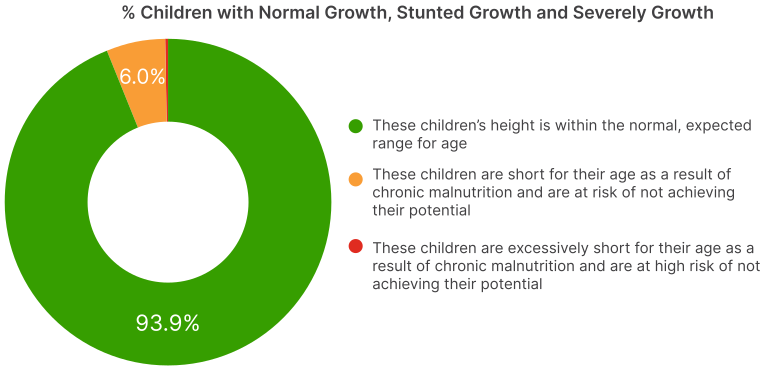
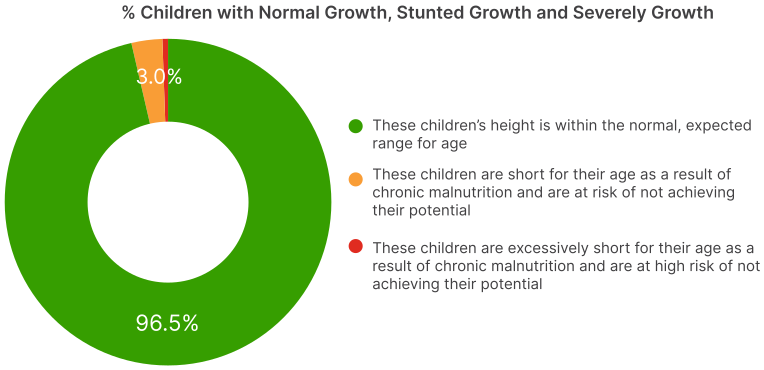
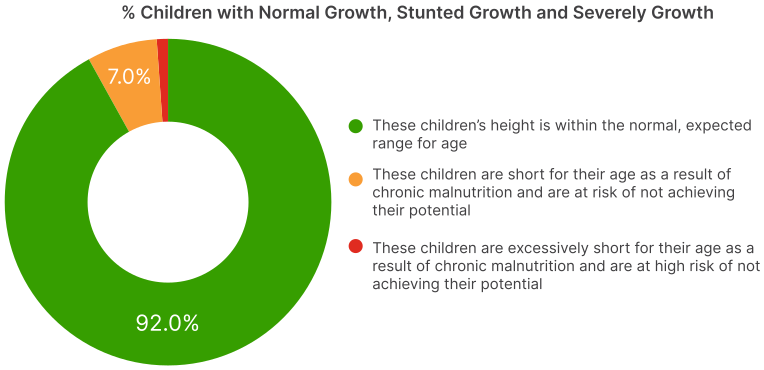
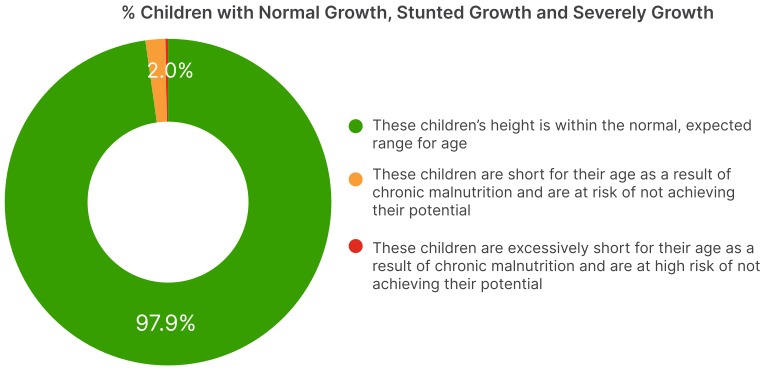
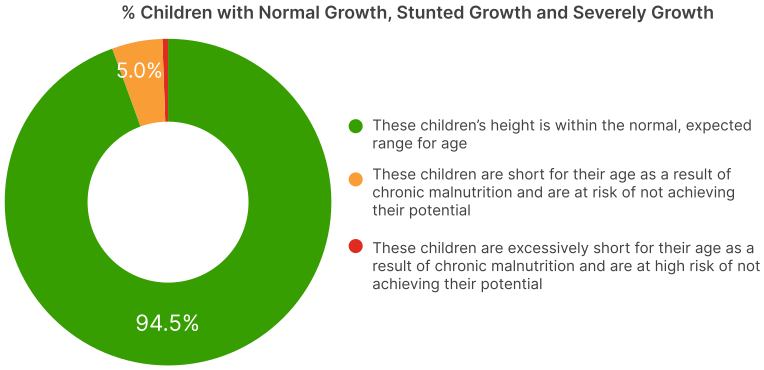
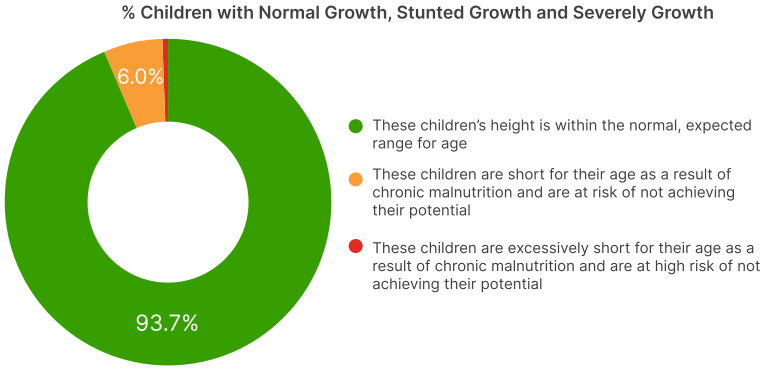
Stunting is when a child is too short for their age, based on international growth standards. It can be a sign of chronic malnutrition. Early stunting affects both body and brain development. By age four, moderately or severely stunted children lag on average five months behind their non-stunted peers in early learning.
Overall Performance:
Source: Weighted estimates based on Thrive by Five Index 2024 data.
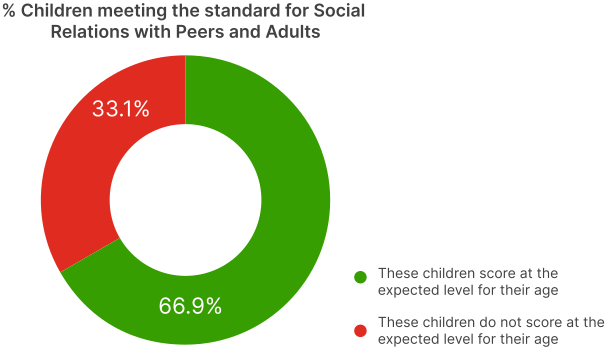
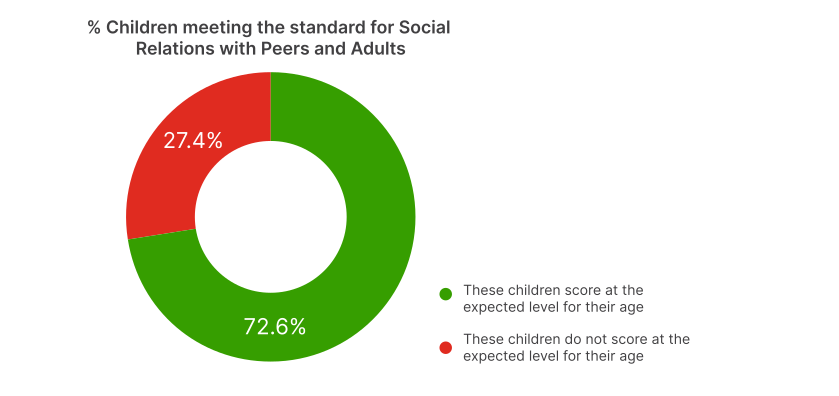
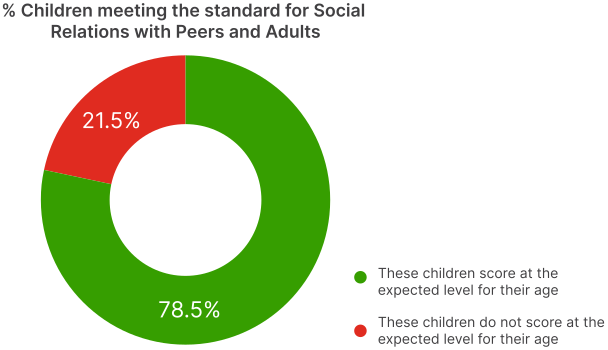
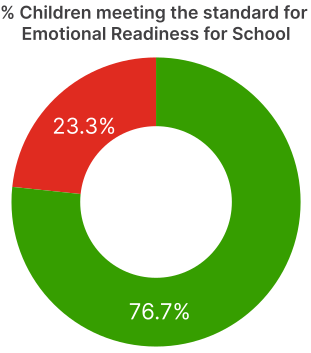
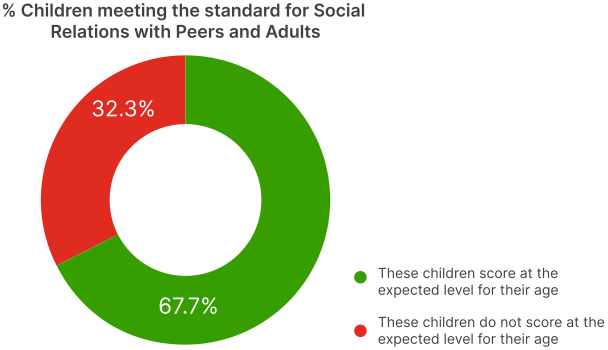
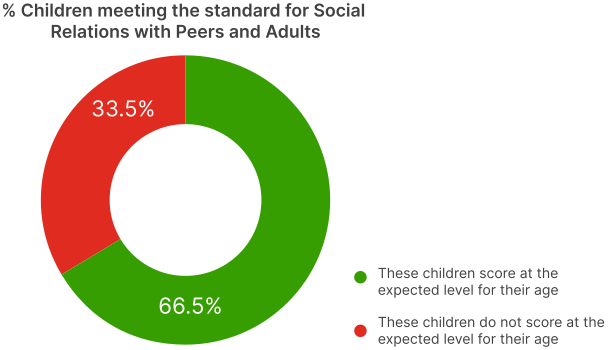
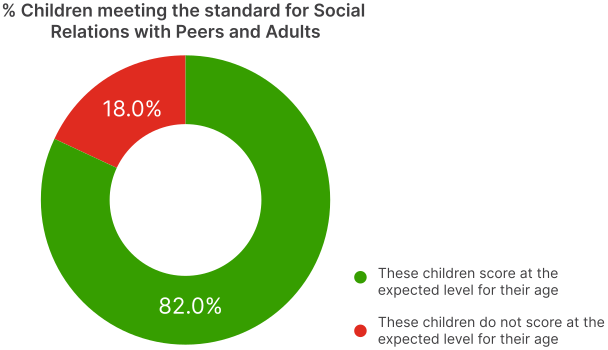
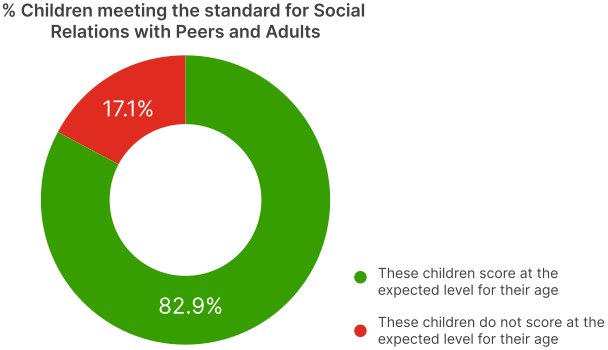
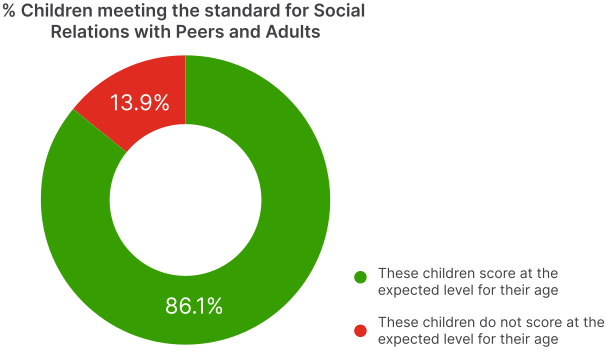
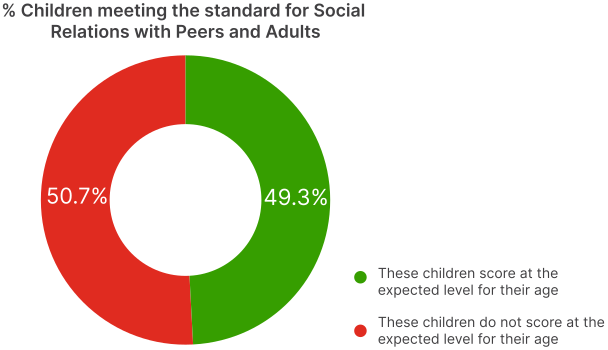
This includes abilities such as participating effectively in group activities, resolving conflicts without aggression, and comfortably seeking support from familiar adults. Developing strong skills is crucial for preschool children, helping children build positive relationships and ask for assistance when needed.
Overall Performance:
Source: Weighted estimates based on Thrive by Five Index 2024 data.
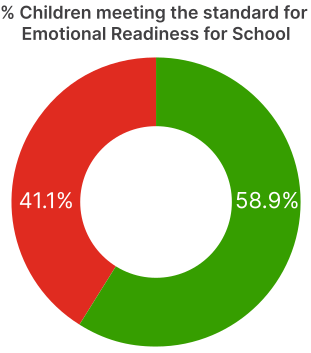
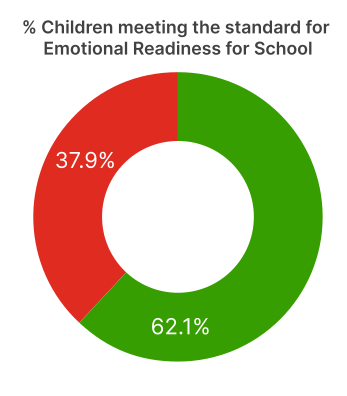
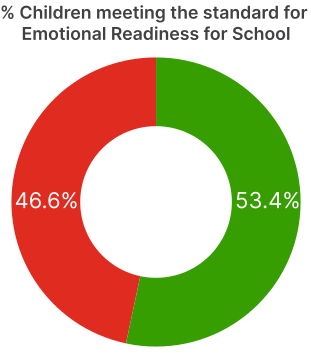
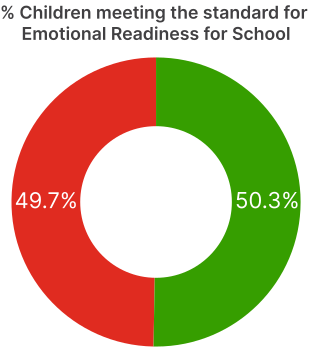
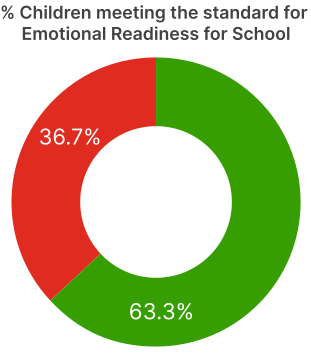
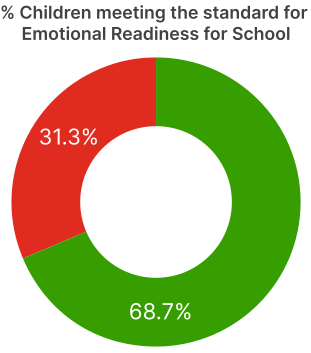
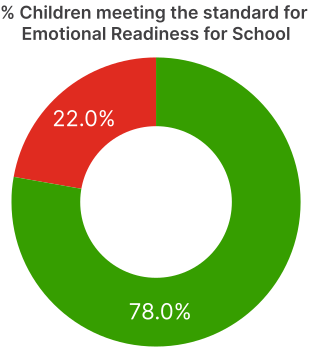
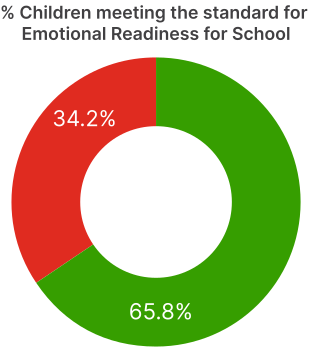
This encompasses skills such as effectively communicating with adults, appropriately expressing needs and emotions, demonstrating independence, adapting to changes in routine at home or school, showing confidence in new situations, and initiating activities. Developing strong emotional skills is crucial for preschool children, helping children adapt to new environments, manage emotions constructively, and foster resilience
Overall Performance:
Source: Weighted estimates based on Thrive by Five Index 2024 data.
These developmental domains are important individually, and they are also interdependent. The items included in the ELOM 4&5 tool assess the abilities and knowledge that are important for children as they transition into Grade R and the skills known to be associated with academic achievement in the Foundation Phase (Grades 1, 2 and 3).
Gross Motor Development is particularly important in the transition to Grade R. Motor development has also been found to have a social and emotional benefit in the primary phase of schooling as motor competence facilitates peer engagement through participation in games, and is associated with emotional well-being as well as with academic achievement
Fine motor skills and visual-motor integration are important for coordinating the use of the hands and the eyes. These skills help children, for example, to copy shapes and learn to form letters correctly. Visual-motor integration skills in five-year olds also make a specific contribution to early mathematics, most likely because they influence the child’s ability to manipulate objects
Early mathematics skills are strongly predictive of later school success. Good math foundations, such as counting and being able to identify numbers and patterns, are essential for a deeper understanding of more complex mathematical concepts and problem-solving.
Executive function skills help children hold information or instructions in mind during classroom activities, focus on task-relevant stimuli during problem-solving tasks, and resist distraction. Having good CEF skills means that children are able to engage and participate more in classroom activities which leads to better learning outcomes. CEF skills are also associated with mathematics skills in 5-6-year-old children
Emergent Literacy and Language skills are important for communicating effectively. Being able to understand what is being said and read by a teacher and being able to communicate effectively through speech and writing are all essential for school success. Those children who have the opportunity and support to start reading early have a clear advantage as early reading ability is the most powerful predictor of reading ability in middle childhood. Early language abilities will affect a child’s understanding of the instructions that must be followed when they are given any task, influencing their learning in other areas such as early math.
Stunting is a chronic (long-term) condition that is a reflection of the overall poor health status of the child and usually results from chronic malnutrition. Growth stunting is known to compromise neurological and cognitive development with significant loss of an individual’s potential. The effects of early stunting depend on the child’s age and the duration of deprivation but can persist throughout childhood and adolescence, compromising the child’s ability to learn in school and eventually impacting their life opportunities.
Social and emotional wellbeing is important for school readiness and overall performance in primary school. Children with better social and emotional functioning tend to transition more successfully into the school environment, and these skills influence the child’s ability to play and work with their peers in a group setting, to ask for information or help from a teacher, to complete tasks independently, and to handle change.
Explore the 2021 Thrive by Five Index data at a provincial level by clicking on a province in the map below.
Number of children aged 0-5
< 200,000 | 200,000 - 500,000 | 500,000 - 1,000,000 | 1,000,000 - 1,500,000 | > 1,500,000
711,000 children aged 4-5 years (GHS2019)
27% children aged 4-5 years live in poverty (GHS2019)
559 children were assessed as part of the Thrive by Five data collection
839,000 children aged 4-5 years (GHS2019)
77% children aged 4-5 years live in poverty (GHS2019)
587 children were assessed as part of the Thrive by Five data collection
332,000 children aged 4-5 years (GHS2019)
61% children aged 4-5 years live in poverty (GHS2019)
565 children were assessed as part of the Thrive by Five data collection
512,000children aged 4-5 years (GHS2019)
64% children aged 4-5 years live in poverty (GHS2019)
564 children were assessed as part of the Thrive by Five data collection
158,000 children aged 4-5 years (GHS2019)
51% children aged 4-5 years live in poverty (GHS2019)
600 children were assessed as part of the Thrive by Five data collection
593,000 children aged 4-5 years (GHS2019)
66% children aged 4-5 years live in poverty (GHS2019)
540 children were assessed as part of the Thrive by Five data collection
885,000 children aged 4-5 years (GHS2019)
72% children aged 4-5 years live in poverty (GHS2019)
578 children were assessed as part of the Thrive by Five data collection
1,418,000 children aged 4-5 years (GHS2019)
63% children aged 4-5 years live in poverty (GHS2019)
575 children were assessed as part of the Thrive by Five data collection
1,575,000 children aged 4-5 years (GHS2019)
34% children aged 4-5 years live in poverty (GHS2019)
571 children were assessed as part of the Thrive by Five data collection
The information presented here and in the reports is representative of the population of 4-5-year-old children attending Early Learning Programmes (ELP) in South Africa. There are 1.2 million children in South Africa aged 4-5 years; 45%-55% of them are reported to attend some kind of ELP.
The 2021 Thrive by Five Index involved a random sample of over 5,000 children aged 50-59 months enrolled in 1,247 ELPs across the country. For every child, we assessed key areas of development that are important for success in school: Early Learning, Physical Growth and Social-Emotional Functioning. For each of these areas of development, the Thrive by FIve Index reports the proportion of children who meet the expected standard for their age.
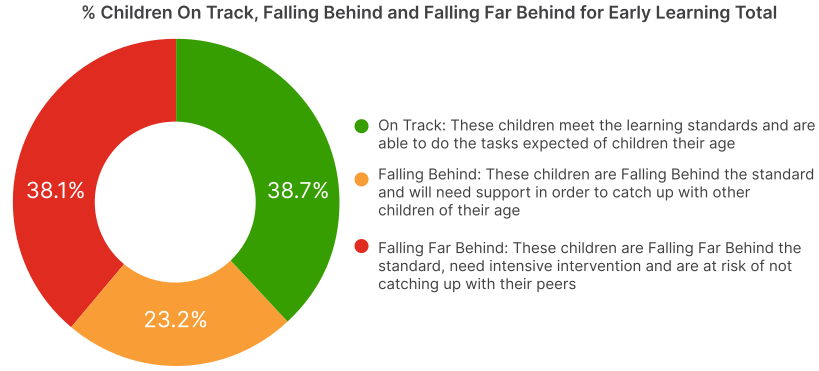
The 2021 Index also includes one combined composite indicator on the proportion of children who are on track for both physical and cognitive development by age 4-5 years.
The full anonymised 2021 Thrive by Five Index dataset is available
on the University of Cape Town Data First open data portal.
Giese S2, Dawes A3, Tredoux C4, Mattes F5, Bridgman G6, van der Berg S7, Schenk J8 and Kotzé J9 (2022) Thrive by Five Index Report Revised August 2022, Innovation Edge, Cape Town. www.thrivebyfive.co.za
The Thrive by Five Index is a multi-sectoral partnership, led by the Department of Basic Education and coordinated by DataDrive2030.
A steering committee provides strategic oversight and includes representatives from the Departments of Basic Education, Health, Social Development, Treasury, Statistics South Africa, and the Presidency.